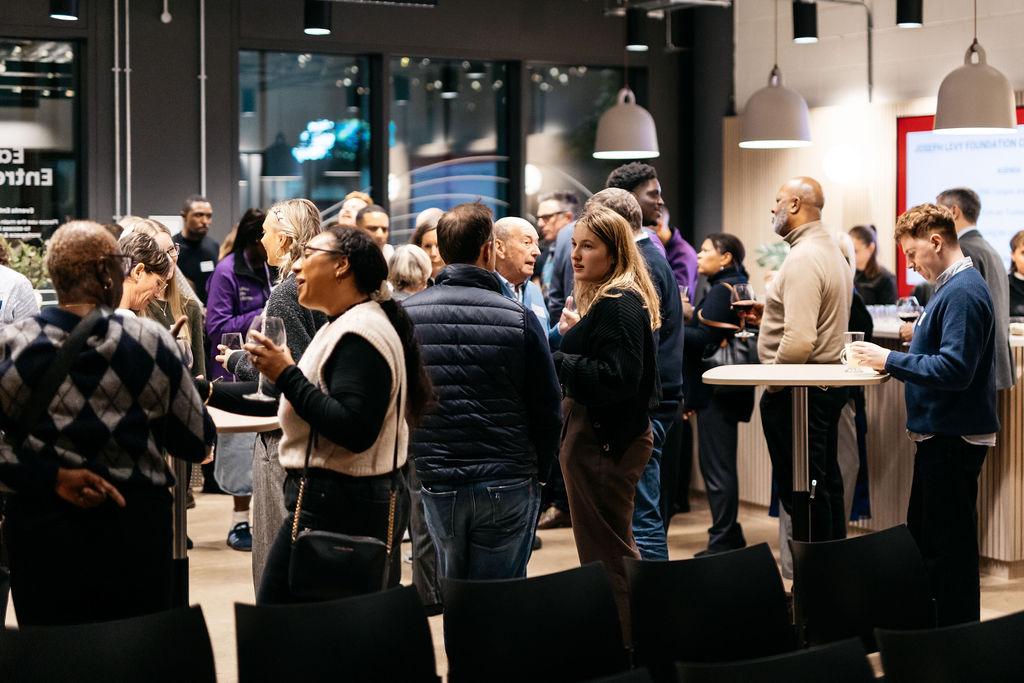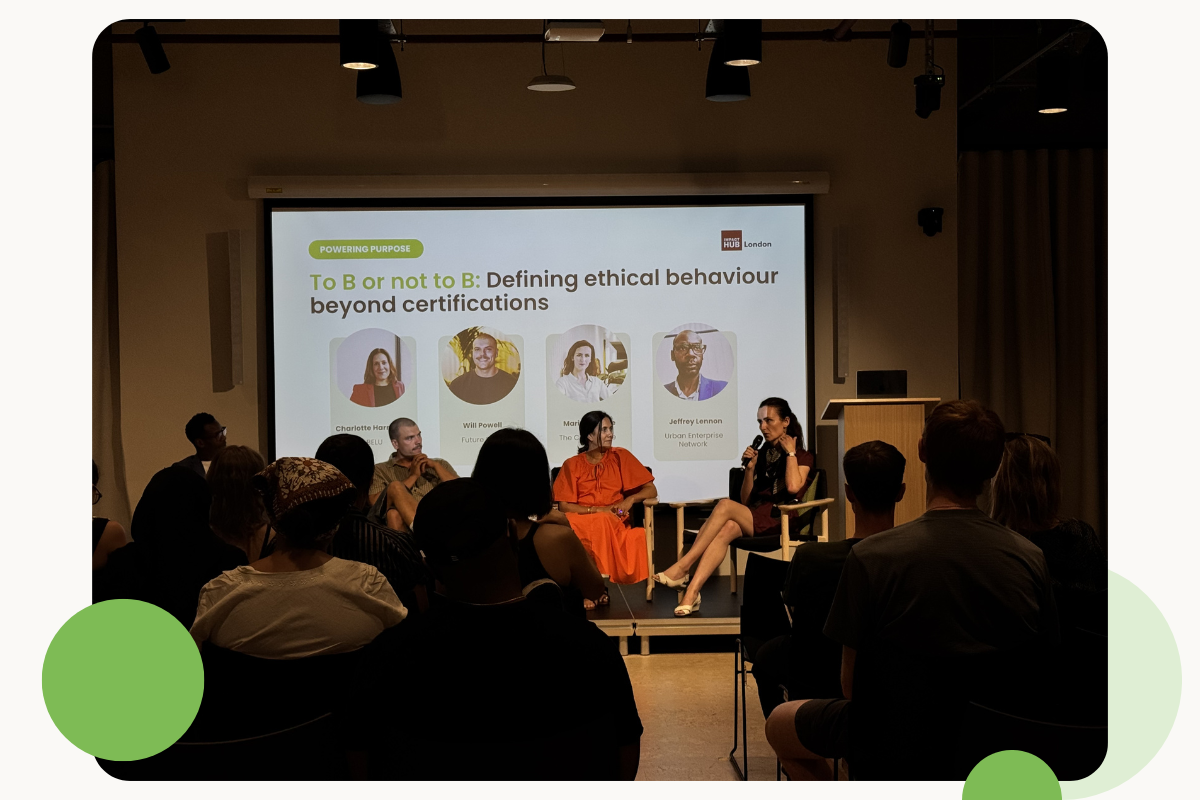

Our Together for Wellbeing programme is a 6-month incubator with the aim of supporting early-stage social enterprises who are working to tackle the systemic challenges that impact mental wellbeing. They all work towards preventing people from facing mental health challenges in the future, and through a range of innovative and inclusive ways they are doing just that.
At Impact Hub London, we are regularly reminded that we can be the change we want to see in the world, and when it comes to mental health challenges, we certainly need change. Whether through personal incentives, experience or just an idea of helping, we’ve met some brilliant entrepreneurs through this programme.
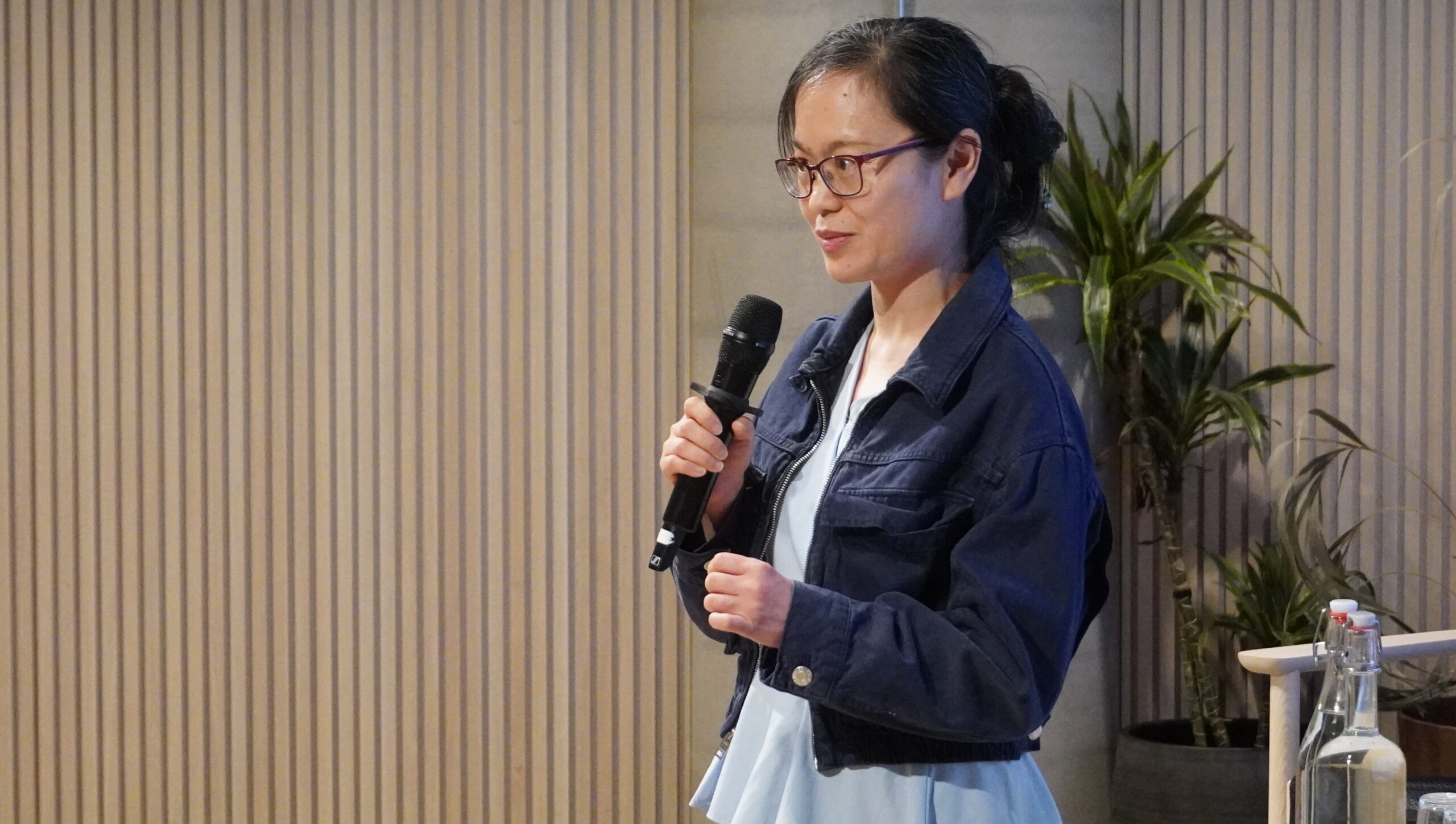
And in this blog, we’re delighted to speak to one of the participants of this programme Cynthia Kesington, Founder of She Believes She Can CIC. Cynthia founded SBSC to help women who struggle with the hidden homelessness, the type that hides often in plain sight but can have devastating impacts on the life due to instability, lack of security and the emotional consequences of this.
Homelessness is often considered to be rough sleeping, but women’s homelessness is often less visible and more complex. Hidden homelessness is more common amongst women – things such as living in insecure temporary accommodation, staying with friends or staying in unsafe relationships.
But the solution is not just in housing, it requires considering a range of areas such as trauma, responsibilities the individual may have, safety needs and so on. This is why the work Cynthia does is so vital to addressing this issue.
Hi Cynthia – can you tell us a bit more about She Believes She Can CIC?
She Believes She Can CIC was founded in 2023 in response to a reality that often goes unseen: hidden homelessness among women.
We support women aged 18+ who may be sofa surfing, living in temporary accommodation, or staying in relationships for housing security. Many of these women do not appear in official statistics, yet they are living in constant instability.
Our work blends trauma-informed movement, peer support, and practical guidance around housing and employment. Through structured programmes such as Rooted in Movement and step by step, we create steady, women-only spaces where women can regulate their nervous systems, rebuild confidence, and access practical next steps before crisis escalates.
We exist to prevent homelessness before it becomes visible.
That’s an amazing social enterprise. Can you tell us about yourself as the founder behind SBSC?
I’m a mother to two beautiful children. That role shapes everything. It’s taught me resilience, patience, discipline.I’m also a founder and a speaker, but I didn’t arrive here by accident. My work is rooted in lived experience. I’ve navigated homelessness. I’ve rebuilt. And I’ve learned that strength isn’t about pretending you’re okay, it’s about choosing to grow anyway.
Movement has been part of my healing. When your nervous system has lived in survival mode, slowing down feels unfamiliar. But learning how to feel safe in my own body changed how I showed up in my life. That’s why movement sits at the heart of SBSC. It’s not fitness. It’s regulation. It’s rebuilding from the inside out.
I’m ambitious, yes but not for titles or applause. I’m ambitious because I know what’s possible when women are supported properly. I’ve lived both sides of instability and rebuilding.
Now I build what I once needed.
What is your why?
My why is deeply personal.
In my formative years, I experienced homelessness. Not the kind people always recognise but the kind where you are sofa surfing, staying in places that don’t feel safe, or constantly figuring out where you’re going next.
From the outside, I looked fine. I showed up. I functioned. But inside, I was carrying uncertainty about where I would sleep and how long I could stay.
That experience shapes you. It forces you to grow up quickly. It teaches resilience but it also leaves your nervous system on edge.
Hidden homelessness is isolating because it’s invisible. You don’t “look” homeless. You just quietly adapt and survive.
I built She Believes She Can CIC because I know what it feels like to navigate that space alone. I never want another woman to feel unseen while she’s silently holding everything together.
Prevention matters to me because I’ve lived how quickly instability can spiral. If we can create steady, trauma-informed spaces earlier spaces that support women emotionally and practically we change trajectories before crisis defines their lives.
What does a typical day look like running your organisation?
Honestly? There isn’t a typical day.
Some mornings I’m meeting with my mentors- being stretched, challenged, forced to think bigger and tighter at the same time. Other days I’m with my team, mapping delivery, reviewing safeguarding, problem-solving the small details that make a big difference to women’s safety.
Then there are the strategic days: meeting funders, refining the model, strengthening partnerships and thinking about sustainability.
And the unglamorous but necessary days: funding applications, budget reviews, impact measurement, venue negotiations and governance checks.
There’s a lot people don’t see. The spreadsheets. The policies. The back-and-forth emails. The safeguarding decisions that carry weight.
Running SBSC is heart work but it’s also structured. It’s vision and discipline. It’s holding space for women while holding the organisation steady.
And I take both seriously!
Do you have any upcoming events, workshops or news you would like to share with the community?
We are currently onboarding women for our fully funded Rooted in Movement programme in East London. This women-only programme combines trauma-informed movement, peer support, and optional practical guidance around housing and employment. It is designed specifically for women experiencing housing instability, including those sofa surfing or living in temporary accommodation.
This pilot phase, funded by GLL, will support up to 100 women creating a preventative model that intervenes before crisis escalates.
Alongside this, we have secured funding from the National Lottery Community Fund to deliver a structured, step-by-step programme that deepens our prevention work. This longer-term programme focuses on confidence-building, wellbeing, and practical stabilisation tools to help women move from survival mode towards sustained safety.
Together, these programmes represent a shift from reactive crisis response to intentional, trauma-informed prevention.
What made you want to join a programme like the Together for Wellbeing programme?
I joined because I wanted support that would sharpen the foundations: clearer strategy, stronger systems, better sustainability, and the kind of guidance that helps you grow without losing the heart of why you started.
Also being in rooms with people who get it matters. Sometimes you don’t need motivation, you need people who understand what it costs to lead.
What is it that motivates you to continue to grow your organisation?
Two things: the women we serve and the gap in the system.
Every time a woman says she feels more settled, less alone, or more hopeful after a session, I am reminded why this work matters.
At the same time, the scale of spending on crisis intervention reinforces the urgency of prevention. If we invest earlier, we reduce long-term harm and long-term cost.
What would you tell others applying for a business support programme?
Be ready to be stretched.
This programme is not a quick fix. it won’t magically solve everything for you. It will, however, make you look properly at your numbers, your systems, your positioning and sometimes your blind spots.
You have to come in open. Honest about where you’re stuck. Willing to implement what you’re learning, not just nod along in sessions.
If you engage fully, the clarity you gain is powerful. It sharpens your focus and it strengthens your foundations.
What has been the most valuable part of the programme for you?
Clarity. Honestly, clarity has been everything.
Clarity on what we are actually offering as an organisation and just as importantly, what we are not offering.
Clarity on our positioning. Who we are for. The problem we are solving. The language we use. The outcomes we are building towards.
It’s helped me see that passion isn’t enough, the model has to be tight. The offer has to be clear. The impact has to be measurable.
it’s given me clarity on what to say “not yet” to. When you’re building something purpose-led, opportunities come from everywhere. But not every opportunity is aligned.
What has been your favourite session throughout the programme?
This is a tough one because I genuinely enjoyed every session but for different reasons.
The peer-to-peer sessions have been enjoyable. There’s something about founders sharing honestly what’s working, what isn’t, the ideas we’re testing that sharpens your thinking. You realise you’re not the only one navigating the messy middle.
The expert sessions have also been invaluable. They give you insight you just can’t Google perspective that shifts how you see your model, your numbers, your impact.
Even the short wellbeing check-ins have mattered. Taking a moment to pause and breathe without it being about targets or delivery reminds you that you’re human first, founder second.
But if I’m being honest, the mentoring sessions have been the most precious. Those hour-long conversations fly by. It’s a space where I can offload the ideas constantly running in my head, sense-check decisions, challenge my thinking, and refine the vision.
Those sessions feel safe and focused at the same time.
I will cherish them!
Entrepreneurship can be lonely. Have you found having access to other participants beneficial?
Yes.
Leading a social impact organisation carries financial pressure, responsibility for beneficiaries, and strategic decisions. Being in a space with others navigating similar challenges normalises that experience and sharpens perspective.
What key learnings have you had so far in the programme?
I have learned that focus is everything. When you try to serve everyone, you dilute your impact. When you get clear on who you are for and what you solve, your decisions become sharper.
I have learned that passion will start something but systems are what sustain it. If your governance, processes, and impact tracking aren’t strong, growth becomes fragile.
I have learned that impact can’t just feel meaningful, it has to be measurable. Stories matter deeply, but data strengthens credibility and opens doors.
And I have learned that sustainability doesn’t happen by accident. It’s built intentionally through strategy, boundaries and partnerships
This programme has shifted me from thinking like a founder driven by heart alone to thinking like a leader building something that will last.
_
Thank you to Cynthia for sharing more about her story and her experience within our mental health focused incubator.
Cynthia’s story is one of resilience – one that has turned the hardships she has faced in her own life into something that provides others with the resources they need when faced with unstable housing.
Solutions like She Believes She Can CIC are vital to preventing the continuing rise of hidden homelessness, before it becomes visible. In providing the support, community and a listening ear to those in need, other solutions can be found and new paths forward can be forged.
You can find out more about She Believes She Can CIC below:
Website: https://www.shebelievesshecan.org/
Rooted in Movement programme: https://www.shebelievesshecan.org/rootedinmovement
Instagram: https://www.instagram.com/shebelievesshecancic/
LinkedIn: https://www.linkedin.com/company/she-believes-she-can-cic/posts/?feedView=all
About Together for Wellbeing:
Together for Wellbeing is a mental health incubator to support early-stage social enterprises that was launched in 2025.
This six-month programme, running from September 2025 to March 2026, is a direct response to what we heard from changemakers on the front lines. Impact Hub London’s goal is to provide the support you need to tackle the systemic challenges that impact mental wellbeing and prevent people from facing mental health challenges.
We are particularly focused on supporting entrepreneurs who are working on systemic interventions, such as improving employment and economic security, fostering social connection and/or enhancing access to green spaces. By addressing the underlying drivers of performance, we empower your business to expand its impact – moving beyond managing mental health challenges.
About Impact Hub London:
Impact Hub London is a catalyst for positive change in the environmental and social world. We connect social entrepreneurs, investors, corporate companies and like-minded people alike. We do this through offering memberships to our hub in Euston for coworking, private offices and fixed desks, as well as day passes and day offices, and our event space. Additionally, we run programmes alongside value-driven partners to enable social entrepreneurs to bring their idea to life, through incubators, workshops and more.